
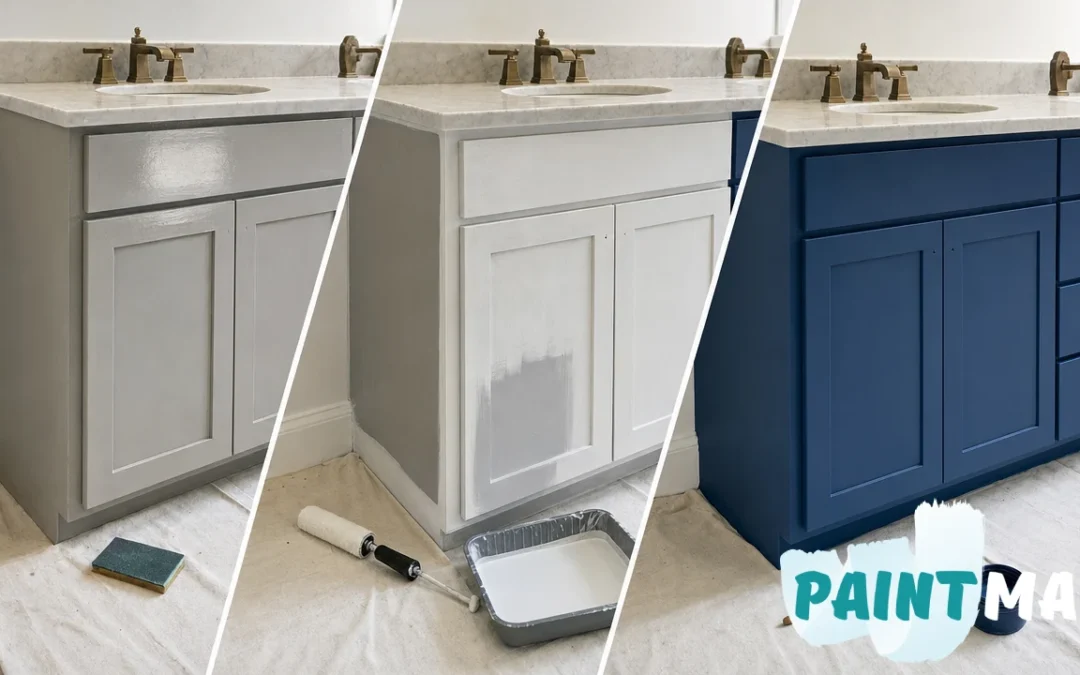
Paint does not stick to polyurethane on its own. If your old trim is peeling, this is almost always the reason. So when clients ask us, “Can you paint over polyurethane?” our answer is yes, but only if you sand and prime it first.
It’s best to treat polyurethane as a sealed shell rather than a surface. It effectively repels water, scuffs, and spills. You just have to scuff it lightly and seal it with a bonding primer to make your topcoat hold for years.
If you’re looking for specific colors, we suggest Chantilly Lace (OC-65) and Kendall Charcoal (HC-166)to most clients. These go with most wood finishes and cover cleanly once the primer cures. Revere Pewter (HC-172) can also be a great option.
Let’s explore how to paint over a polyurethane finish the right way.
Why Polyurethane Rejects Paint
A cured polyurethane coat is like a plastic shell over the wood. This shell resists water, scuffs, and household spills, so it resists paint just as well.
Paint needs one of two things to stay put. Either it soaks slightly into a porous surface, or it grips a profile you create by sanding. Glossy urethane offers neither, so ordinary latex sits on top.
These things are common when someone skips the prep:
- Topcoat that lifts in sheets after a small bump
- Fingernails scratching through to the old finish
- Peeling edges and corners spreading inward
- Tape pulling the new paint off during the next project
Can You Paint Over Polyurethane on Wood?
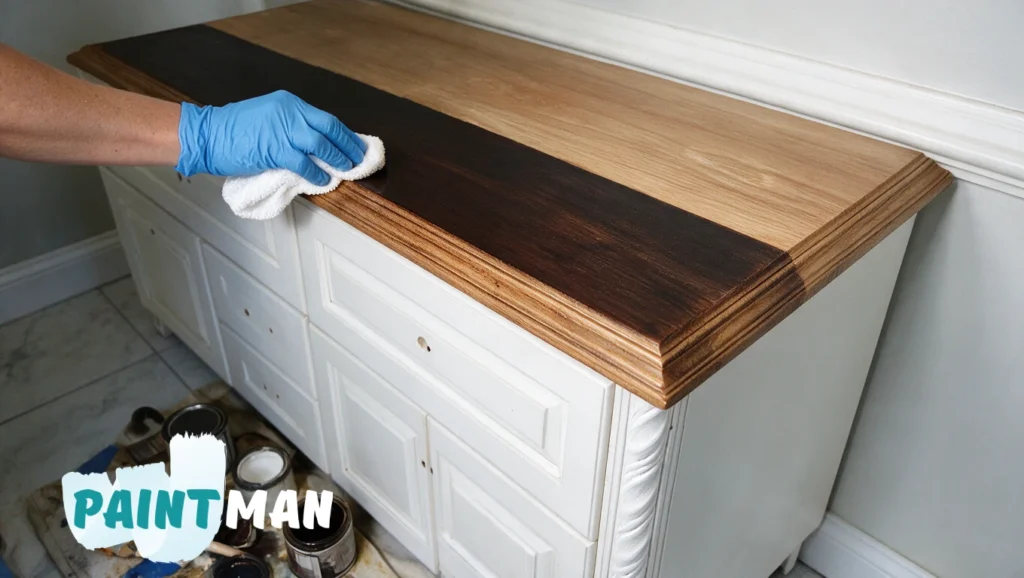
You can paint over polyurethane on wood. Prewar apartments across the city are full of urethane-coated baseboards, casings, doors, and banisters that owners now want painted.
Your approach will change slightly depending on the surface. For trim and casings, light hand sanding works fine, since the profiles are small and detailed. When it comes to doors, take them off the hinges if you can. Laying them flat gives you a smoother finish.
Banisters and railings take heavy hand wear, so use the strongest bonding primer you can find on these areas. For floors, you can paint a sealed floor, but it may need a floor-rated enamel to stay intact in the long run.
7 Steps To Paint Over a Polyurethane Finish
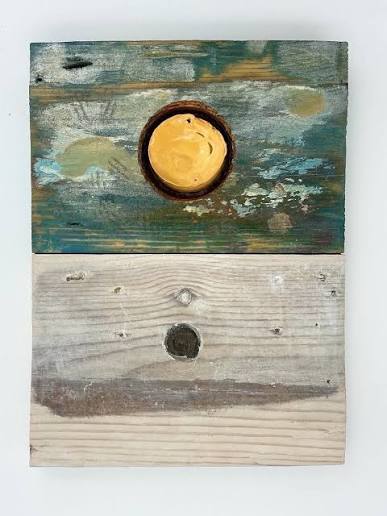
These steps can make your paint over a polyurethane finish last for a long time:
- Clean first. Wash the surface with a degreaser. Kitchen grease and hand oils defeat primer faster than gloss does.
- Sand to dull the sheen. Go for 120-220 grit, and stop once the shine disappears. Remember that you need to create a tooth here without stripping the finish off.
- Vacuum before tacking. Dust ruins adhesion, so vacuum the surface and wipe it with a tack cloth.
- Repair and caulk. Fill nail holes and dents now, because the primer will highlight every one you missed.
- Bonding product works great as a primer. Apply one thin coat evenly and let it cure completely.
- Sand lightly between coats. One quick pass with 220 grit knocks down raised grain and brush texture.
- Apply two thin topcoats. Thin coats cure harder than one heavy coat, and they level better on trim.
If you’re a newbie, watch the full process here before picking up your brushes:

Our Top 3 Picks for the Best Primer for Polyurethane
Your primer can make or break your paint. Standard wall primers don’t always grip a slick finish, so it’s best to reach for an all-rounder primer, such as:
1. INSL-X Stix Waterborne Bonding Primer
Stix is our no-brainer choice for trim and cabinetry. Benjamin Moore built it to bond to difficult surfaces like glossy tile, PVC, vinyl, and plastic, so a sanded urethane coat is no problem.
You can easily clean up this primer with soap and water, which comes in handy when you’re working inside an occupied apartment.
- Best for: Trim, doors, cabinets, and dark finishes
- Finish: Flat white, tintable
- Price: $50 to $55/gallon
2. Zinsser B-I-N Shellac-Base Primer
The B-I-N primer can be your best choice when paint has stains or odors trapped beneath it. Shellac buries water rings, smoke, nicotine, and knot bleeds in a single coat. It even dries to the touch in about 20 minutes.
Keep in mind that B-I-N is not a true bonding primer, so you will have to do sanding beforehand.
- Best for: Stained, smoke-damaged, or odor-heavy woodwork
- Finish: Flat white
- Price: $55/gallon
3. Zinsser Bulls Eye 1-2-3
Bulls Eye 1-2-3 is the most valuable option among the three. It handles mild gloss and previously painted surfaces at a friendlier price.
If you’re working on a low-traffic room where the urethane has already worn dull, this primer will save you money without costing you durability.
- Best for: Surfaces with some wear and tear and budget projects
- Finish: Flat white, tintable
- Price: $30 to $40/gallon
Can You Put Polyurethane Over Paint?
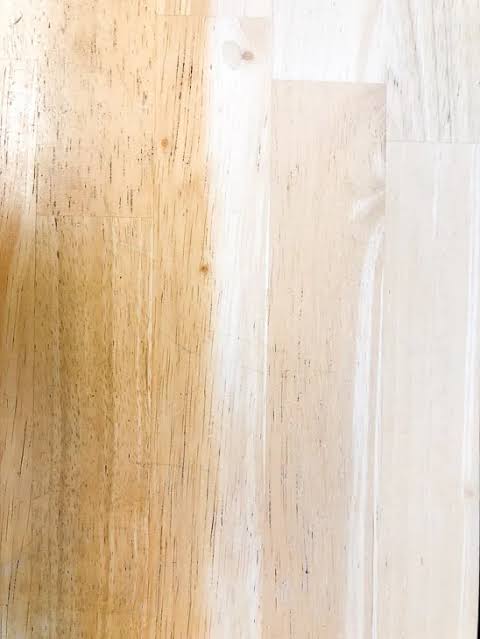
You can put polyurethane over paint. A clear topcoat adds serious durability to painted stair treads, tabletops, and built-ins that take a lot of wear and tear.
You can correctly apply polyurethane over paint in two ways. First, let the paint cure completely. For most latex products, that means weeks rather than days.
Then, match the chemistry and ask, ‘can you polyurethane over acrylic paint?’ You definitely can, but pick a water-based product since oil-based versions tend to yellow over light colors.
6 Mistakes That Cause Peeling
Here are some mistakes that result in early peeling of the paint:
- Skipping the degreaser and priming over invisible hand oils
- Sanding so aggressively that you gouge the wood
- Rushing the primer’s cure time before the topcoat goes on
- Using wall primer instead of a bonding product
- Applying one heavy coat rather than two thin ones
- Painting in a humid room with no airflow
How We Handle Polyurethane Paint Projects in NYC
Our team masks off the adjacent rooms and runs vacuums with HEPA filters while sanding, so the mess stays in one place.
We also test adhesion before moving on to a full room. The professionals first prime a small patch, let it cure, and score it with tape to see whether the existing finish will cooperate. This step costs almost nothing compared to redoing an entire staircase.
Paint Your Woodwork the Right Way with Paintman NYC
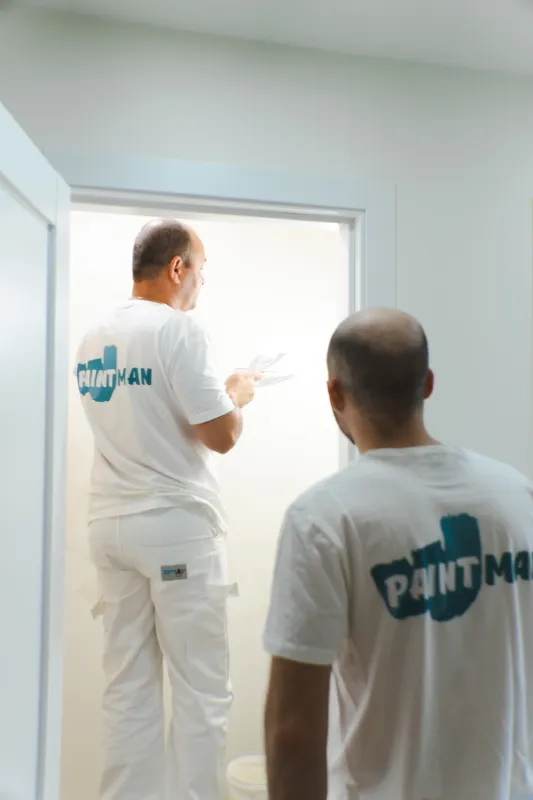
Don’t want to deal with the sanding dust and the guesswork? We have got your back. At Paintman NYC, we handle trim, doors, banisters, and built-ins across the five boroughs.
Request a free estimate on our custom painting services in NYC page, and our representative will get in touch with you. Our experts will assess your existing finish before a single can gets opened.
Mychal Diachenko
Mychal Diachenko, Author at Paintman NYC blog. Started Paintman NYC company and has been painting for more than 10 years throughout Europe and New York City. Since 2017, he has created a family-run painting company that people trust and that is recognized for doing a great job painting apartments all around New York.