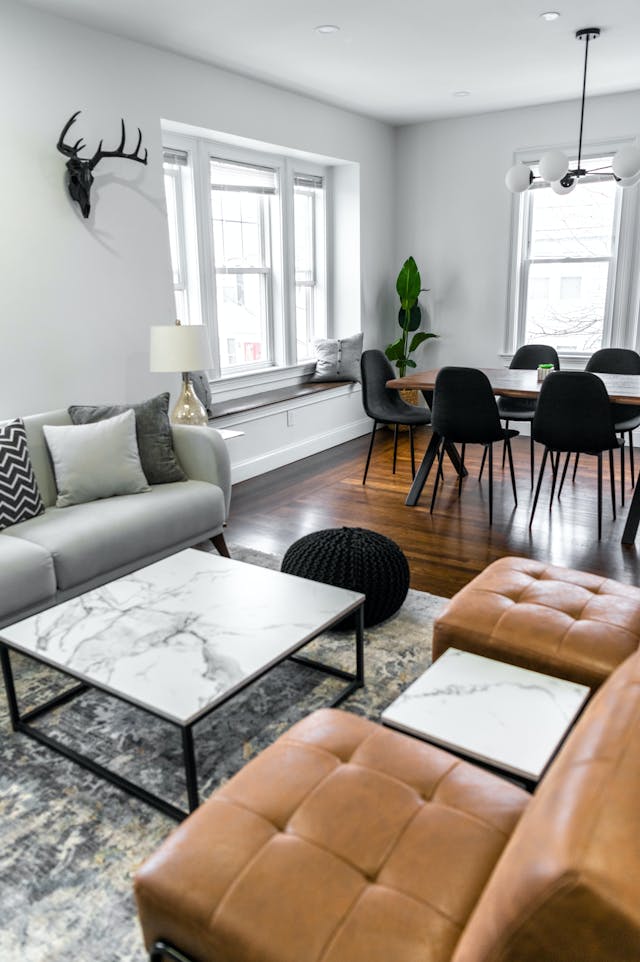
According to industry experts, your interior paint, especially in high-traffic areas, needs a refresh every 3-4 years. But when the time comes, there’s a key decision to be made, and that is deciding the paint color for the walls and trim. There are certain pros and cons of painting trim the same color as the walls.
 
The decision can affect how large the space feels, how often you’ll need touch-ups, and even whether it looks like high-end work or a rushed-up job. Often, you won’t feel the difference in a day. It could take weeks and months before you notice the chipped edges and sheen mismatches, when you’d be questioning your choices.
 
Pros and Cons of Painting Trim Same Color as Walls for Modern Homes v3

Pros and Cons of Painting Trim Same Color as Walls

Small details can have a huge impact when it comes to giving your home a new look. Amongst the key decisions, painting the trim the same color as the walls or keeping it a different shade is more than just a matter of looks.

Pros of Painting Trim Same Color as Walls:

  1. Modern Look
  2. Small Rooms Look Larger
  3. Hides Uneven Trim
  4. Easy Color Decisions

Cons of Painting Trim Same Color as Walls

  1. Reduces Architectural Contrast
  2. Requires Perfect Surface Prep
  3. Touch-ups Are Noticeable
  4. Not Ideal for Historic or Detailed Molding
  5. Maintenance Challenges


Pros and Cons of Painting Trim Same Color as Walls for Modern Homes v4


Pros of Painting Trim Same Color as Walls:

Traditionally, the trim is painted in a contrasting color from the walls. Usually, painters and homeowners play it safe and go with only white or off-white. Here are the benefits of going with the same color tone.


Modern Look

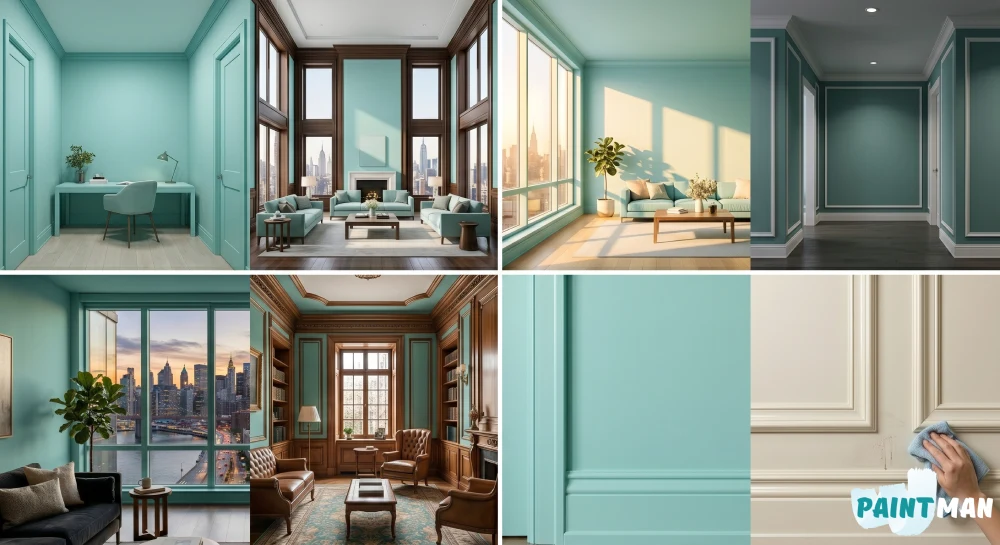
When the walls and trim are of the same color, there are no visual breaks. Keeping the tone similar is most common in modern condos and high-end rentals, where people want a gallery-style finish.
 
However, despite the same color, people often choose a different sheen for the two. That creates a separation within the room due to the difference in light reflection.
 

Small Rooms Look Larger

When we use color continuity when painting a room, especially with neutral palettes, it makes the room look large and open. It’s kind of a visual perception as the contrast blurs the edges, making it seem as if the room has no boundary.

 
The technique especially works for narrow hallways, studio layouts, and bedrooms with low ceilings.
 

Hides Uneven Trim

Old homes, especially those that were constructed pre-war, often have over 5-10 layers of paint buildup. That gives them uneven edges and even warping around the corners. When you use contrast on such walls, the imperfections become more apparent.
 
But when everything matches, the shadows soften, and you get smooth-looking walls.
 

Easy Color Decisions

Choosing wall and trim color combinations can get tricky. There could be tone clashes in white, lighting shifts, and many times the reorders don’t match. Using one color instead can eliminate all the problems.

Pros and Cons of Painting Trim Same Color as Walls for Modern Homes by Paintman

Cons of Painting Trim Same Color as Walls:

 
While having the same color trim has its advantages, many people now prefer to have a subtle contrast in the color of the walls and trim.
 

Reduces Architectural Contrast

Contrasting trim color defines the space. It is especially helpful in areas where there is crown molding, wainscoting, or decorative casings. Using the same color will hide the craftsmanship.


Requires Perfect Surface Prep

If a wall has sand marks or uneven caulking, they are easier to see when the trim and wall are painted the same color.
 
This is why you can’t skip sanding and wall prep for painting the wall and trim the same. The technique must include gap sealing and full priming, not just spot fixes.
 

Touch-ups Are Noticeable

To match one color perfectly, you need to use the exact tint, sheen, and roller technique. Otherwise, the patch will reflect light differently and stand out.
 

Not Ideal for Historic or Detailed Molding

In older and high-end homes, painting everything the same color can flatten carved profiles. It hides the craftsmanship you want to highlight.
 

Maintenance Challenges

The trim is also prone to developing scuffs over time. When you apply touch-ups, especially around the door and floor area, they become more noticeable when they match the walls.

difference between trims colors and styles - marching styles


Matching Vs Contrasting

Using the same color vs contrast for the walls and trim have their benefits and downsides. Here are some key factors to look into when looking into wall trim ideas:


Room Size and Ceiling Height

For small rooms or rooms with low ceilings, the same color trim works best as it makes the space look larger. Whereas for large rooms, having a contrast gives you a dimension and boundary.
 

Natural and Artificial Lighting

Bright spaces can do well with one color. Whereas rooms that aren’t well-lit will need a contrast to break up the shadows.
 

Home Style

Most modern homes look better when colored with a matching trim. While traditional homes often shine better with a contrasting trim.
 

Maintenance

If you have kids or pets in the house, a contrasting trim makes it easier to wipe down the wall (with a durable finish, of course). But if you want a simple, minimalist home, the same color for the trim can work well.

Paintman NYC Painting

Pro Tips for Painting Trim and Walls

Whether you go for the same color or different colored trim, here are some tips from Paintman NYC professionals that can help you get the best results from the paint job:
  • Always choose the right finish for the trim and wall. Keep a subtle variation in sheen to define the edges.
  • Do we paint walls or trim first? The answer is always: the walls!
  • Use high-quality, durable paints so you don’t need frequent touch-ups.
  • Do not skip prepping the surface. Sand, caulk, and prime the walls and trim before getting down to painting.
  • If using contrast, stick to neutral shades like white, cream, and soft greys.


Step-by-Step Guide to a Monochrome Trim Job

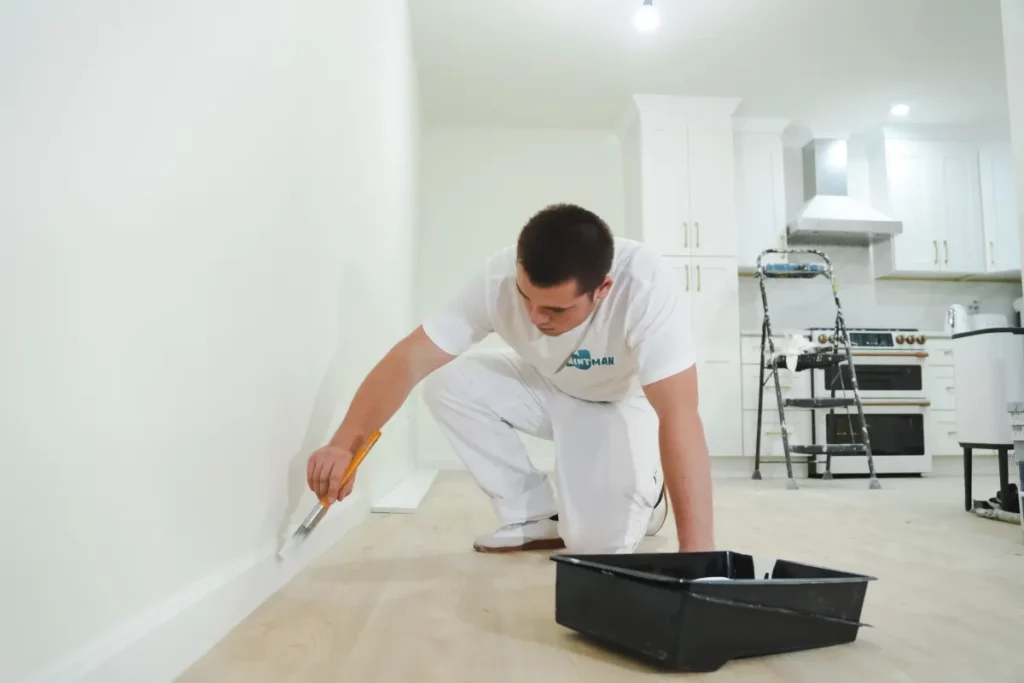
A paint job, especially when done in the same color for the trim and walls, has to be perfect. It needs proper surface prep and the right paint selection, and only then will it last.
  • Surface Inspection: The painters first inspect the surface for layers of legacy paint, micro-cracking, and uneven edges.
  • Sand and Trim Repair: Different grits are used to sand and smooth the surface. Next, the gaps are caulked and the tooled flush.
  • Priming: A full-surface primer is applied all over the wall so the uneven patches are fixed and the top coat can stick to the surface better.
  • Apply Wall Coat: You may think, do we paint trim or walls first? It is always the walls. A minimum of two thin coats is applied, with sufficient dry time in between.
  • Apply Trim: Next, the trim is painted.


Should You Paint the Trim the Same Color As the Walls?

 

When it comes to weighing the pros and cons of painting trim the same color as walls, forget about trends. It’s all about what fits your space best.
 
So, yes, go for the same color if you have a modern interior look in mind and a small space. But better to hold off on the decision, or go with painting the trim darker than the walls if you have large rooms with poor lighting.
 
If you want the perfect job done with neat finishes that don’t require frequent rework, make the right choice with Paintman NYC. Explore our interior painting services today.
Mykhailo - Paintman NYC owner
Mychal Diachenko

Mychal Diachenko, Author at Paintman NYC blog. Started Paintman NYC company and has been painting for more than 10 years throughout Europe and New York City. Since 2017, he has created a family-run painting company that people trust and that is recognized for doing a great job painting apartments all around New York.